
Why Do Sirens Sound in Switzerland? A Parent’s Guide to Understanding the Annual Siren Test

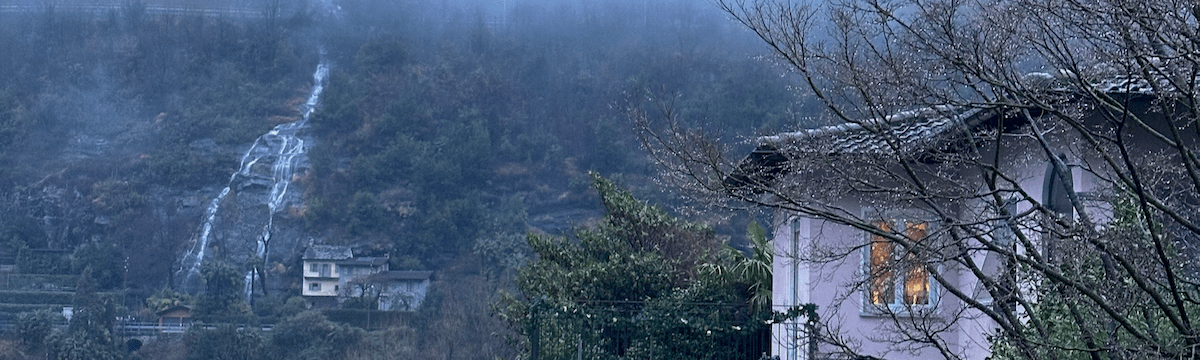
sirens in the night sky

What is that sound? – my eldest asked.
It’s the sound of the sirens. – I reassured him.
But how long does it lasts? Why does it come on and off. – He was curious I could tell.

So, I put my research goggles on and here is what I found. This post is dedicated to new parents and caretakers in Switzerland, who would like to explain the Swiss siren system their children.

What Are the Sirens For?

Switzerland sets the bar high when it comes to protecting its population. Sirens are part of national emergency alert system. Each year on the first Wednesday of February, all the sirens are tested across the country. There are two types of alarms. So the testing begins at 1:30 pm.

First the ‘General Alarm’ is tested. It has an ascending and descending wailing sound and it lasts for one minute, then it is repeated at least once after a short pause.

Next is the ‘Water Alarm’ is tested. It applies to areas near dams. It is a series of high and low tones. The testing is done at 4:30 pm.

What Should Parents Teach Their Children?

It’s important to explain that the sirens are in place for everybody’s safety. They don’t always mean danger, but it is a quick way to alarm the population. Once the alarm sounds, information is provided via the official channels such as radio, TV alerts and Alertswiss app.

What to Do When You Hear the Sirens for Real?

  • Stop / Breath / Stay Calm – DO NOT PANIC
  • Go indoors and close doors and windows.
  • Turn on the radio (SRF, RTS, RSI) or check the Alertswiss app for official instructions.

In case of a Water Alarm sound (near a dam): Evacuate the area immediately and go to higher ground.

As much as many people are tech savvy nowadays, it is essential that people check in with their neighbours and their loved ones when possible.

How Can Parents Make This a Learning Experience?

Role-play can make a lasting impression in young kids. Sound and alarm and take turns of showing where to go, turning on the radio. Review the Alertswiss app and teach them how to use it, if age appropriate. Understanding that the alarm will put an end to what they are doing temporarily is essential.

Fun Facts About Swiss Sirens

There are over 5000 stationary sirens across Switzerland. Sirens can be found even in the remote Alpine areas. There further 2200 mobile sirens that are following a planned route when necessary. The country has one of the most well-organised civil protection system in the world.

Conclusion

When talking to kids about emergency planning it is essential to stay calm and positive. Safety measure are put in place for a reason for unexpected situations. To find out how to make your own emergency plan in Switzerland, read this post called: ‘5 Steps to Efficient Emergency Planning’
Emergency Preparedness: Finding Shelter in Switzerland

Sirens are wailing, you follow the instructions from the authorities. It may instructs the population to seek shelter as soon as possible. Should you live in a house that doesn’t have private bunker, where do you go?

It is a good idea to prepare your family for emergencies. The Swiss civil protection system ensures that all residents have access to shelter space across the country. Therefore this post is dedicated for anyone interested in finding out where to seek shelter in their areas.

1 – Contact Your Local Authorities

  • Municipal Office: Gemeinde (DE) / Commune (FR) / Comune (IT)
    This should be your first point of contact. The local municipality office will provide you with the necessary information on what to do and where to go in case of emergency.
  • Civil Protection Office: Protezione Civile (IT)
    They can provide detailed guidance on shelter locations and emergency protocols. There are over 370,000 shelters across Switzerland.

2 – Consult the Official Shelter Directory

  • In 2011 the law to incorporate bunkers in newly built houses have changed. It is no longer a requirement. However, if the new building has no private shelter, the owner is required to pay a one off fee of 1400 fr. This fee is spent on the expansion or renovation of the public shelters nearby.
  • There is a comprehensive directory of public shelters. However, in case of emergency the authorities will inform each resident on the dedicated location. This cannot be planned in advanced. As people are relocating, and the population is ever changing, the detailed emergency plan is prepared as and when necessary.
  • The Swiss shelter industry is world-wide-known. The in depth specialised knowledge and components are exported to various part of the world.
  • The shelters come in all sort of sizes. It is planned to allow one square meter space per person. Shelters are designed for single use, for a group of seven, or even larger 25 / 50 people. They are equipped with beds and a dry toilet. They have ventilation system and an armored door.

3 – Use the Alertswiss Platform

  • Website and App notification (source: FAQ on Alertswiss website)
    • Description of the incident and existing danger
    • What area is affected Instructions or recommendations on what to do or what measures the authorities have taken
    • Additional sources of information, for example hotlines, websites or contact points
    • Name of the competent authority or authority responsible for sending the alert
  • Types of notifications: There are three different levels of notification: alerts, warnings and information. An alert is the highest level of notification; information, the lowest.
    • Alert: used when the authorities inform you of an immediate danger and issue mandatory instructions on what to do.
    • Warning: reports a possible danger or an event for which the authorities provide non-binding recommendations.
    • Information: reports on an event that is relevant to the protection of the population, but does not present imminent danger.

4 – Community Resources

  • Some community centers or public buildings are designed as emergency shelters.
  • Also, look out for notice boards and signs.

5 – Stay informed

  • Especially as an expat, it is essential to integrate to the local community. When settling down in a new village, town or city, there are compulsory steps to follow to register. This process opens many doors to newcomers.
  • Don’t be afraid to ask questions and discover local groups that can help your integration process to be a smooth.

By taking these steps, you can ensure that your family is well-prepared and knows exactly where to go in the event of emergency. It is good to have a family emergency plan in place known by all family members.